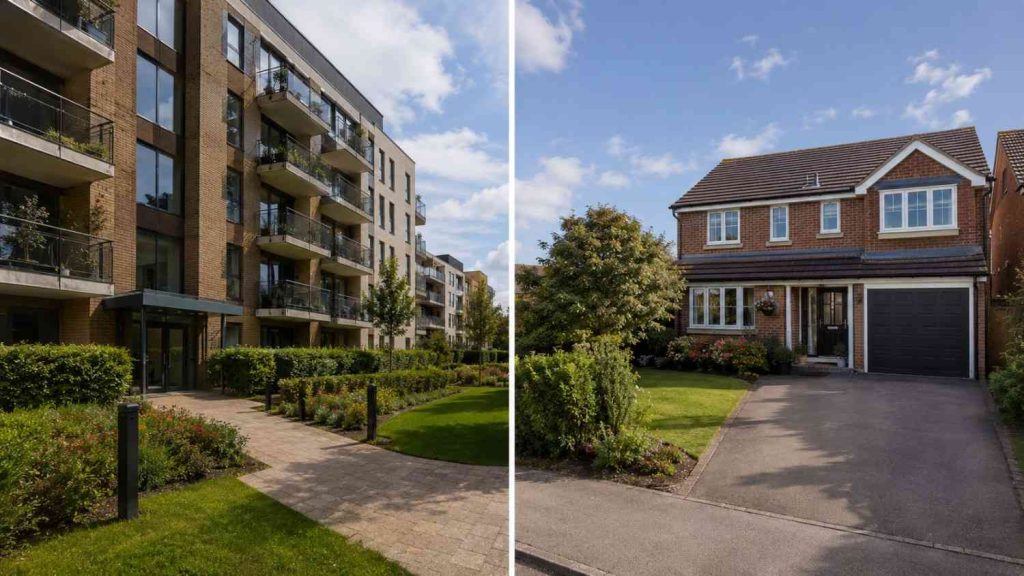
Understanding Leasehold vs Freehold Property
Knowing the leasehold vs freehold property difference helps you make better choices when buying a home overseas. The main difference is how long you own the property and whether you also own the land.
A freehold property means you own both the home and the land forever. There is no time limit on your ownership. You can live in it, sell it, rent it out, or pass it on to your family. You still need to follow local laws, but you have full ownership of the property.
A leasehold property means you own the right to use the home for a set number of years. This agreement is called a lease. When the lease ends, the ownership usually goes back to the landowner unless the lease is renewed. This is the basic freehold vs leasehold property meaning.
A Simple Example
Here is an easy way to understand it.
If you buy a freehold villa, you own both the villa and the land forever. You can keep it for as long as you want. If you buy a leasehold villa, you own the right to use it for a set time, such as 99 years. When the lease ends, you may need to renew the lease if that option is available.
When comparing property freehold vs leasehold, remember that freehold gives permanent ownership, while leasehold has a time limit. Many people ask, what is freehold vs leasehold property before buying overseas. The answer is simple. Freehold gives you permanent ownership, while leasehold gives you ownership rights for a fixed period.
When looking at leasehold property vs freehold, think about your long-term plans, budget, and the country’s property rules. Both options can work well for overseas property investment, depending on where you buy and what you want to achieve.
Key Differences Between Leasehold and Freehold Property
Simple Leasehold vs Freehold Property Comparison
The leasehold vs freehold property difference comes down to ownership, time, cost, and control. Both options can work well, but they give buyers different rights.
Here is a simple guide to help you compare property freehold vs leasehold.
Feature | Freehold Property | Leasehold Property |
Land ownership | You own the home and the land. | You usually own the right to use the home, not the land. |
Length of ownership | You own it with no end date. | You own it for a set number of years. |
Control over changes | You have more freedom to make changes. | You may need permission for major changes. |
Ongoing costs | You pay taxes, repairs, and upkeep. | You may pay rent, service fees, and upkeep costs. |
Resale value | It may hold value better over time. | Value may drop as the lease gets shorter. |
Financing | Banks may find it easier to finance. | Banks may be careful with short leases. |
Long-term value | It can be stronger for long-term ownership. | It can work if the lease is long and clear. |
What Does This Means for Buyers?
The freehold vs leasehold property meaning is simple. Freehold gives you full ownership with no time limit. Leasehold gives you rights for a set time. When comparing freehold property vs leasehold, think about your plans. Freehold may suit buyers who want long-term control. Leasehold may suit buyers who want a lower cost or a property in a country with land rules.
Why Freehold Property May Appeal to Overseas Buyers?
A Stronger Long-Term Choice
When buyers compare leasehold vs freehold property, freehold often feels more secure. You own the home and the land with no end date. This makes it easier to plan for the future. Freehold property also gives you more control. You can live in it, rent it out, sell it, or pass it down to your family. You may still need to follow local rules, but you are not tied to a lease term.
This is why many buyers ask, what is freehold vs leasehold property before buying overseas. The answer helps them compare property freehold vs leasehold in a simple way.
Why Buyers May Prefer Freeholds?
When looking at freehold property vs leasehold, freehold may have better resale appeal. It may also hold its value better over time. Banks may also prefer freehold homes in many markets. This can make financing easier.
Freehold can cost more upfront. Still, it may suit buyers who want long-term ownership, steady value, and clear investment strategies for retirees. It can also support easier investment property management compared with some leasehold rules.
Why Leasehold Property May Still Be a Good Option?
When comparing leasehold vs freehold property, remember that leasehold is not always the wrong choice. In many countries, it can be a smart and practical option. Leasehold properties often have a lower purchase price than freehold properties. This can make it easier for buyers to enter the overseas property market.
They are also common in condos, resorts, villas, and other popular tourist areas. In some countries, foreign buyers cannot own land. For example, in the Philippines, foreigners face limits on land ownership. In these cases, leasehold can provide a legal way to enjoy or invest in property.
What to Check Before You Buy?
Understanding the freehold vs leasehold property meaning can help you make a better decision. Before buying a leasehold property, check how many years are left on the lease. Also, ask if you can renew the lease and what fees you may need to pay. Look for any rules about renting out the property or making changes to it. These details can affect your plans and future costs.
When comparing freehold property vs leasehold, think about your goals. Leasehold may suit lifestyle buyers, holiday home owners, or people looking for investment advice for expats. A long lease with clear terms can still be a good investment in the right market.
Costs to Check Before Choosing Leasehold vs Freehold Property
Simple Cost Guide for Buyers
Before you choose leasehold vs freehold property, check the full cost. Do not look at the price alone. Some costs may appear after you buy. The first cost is the purchase price. Freehold homes may cost more at the start. This is because you often own both the home and the land. Leasehold homes may cost less at first. But you may need to pay ground rent, service charges, or building fees. These costs can add up each year.
Other Fees to Review
When comparing property freehold vs leasehold, check maintenance fees, property taxes, and legal fees. You should also ask about community fees if the home is in a resort, condo, or gated area. For leasehold homes, ask about lease extension costs. This is the fee you may pay to make the lease longer.
If you buy overseas, also check currency exchange and money transfer costs. These can affect your total budget and the cost of living overseas. Many buyers ask, what is freehold vs leasehold property when planning a budget. The simple answer is this: freehold may have fewer regular ownership fees. Leasehold may include extra rent or service costs. So, when comparing leasehold property vs freehold, always check both the upfront price and the long-term costs.
How Lease Length Can Affect Value and Resale?
When comparing leasehold vs freehold property, the number of years left on a lease is very important. A lease works like a countdown. As the years pass, the time left becomes shorter. A property with a long lease is often more attractive to buyers. A property with a short lease may be harder to sell. This is because the next buyer will have fewer years of ownership left.
How a Short Lease Can Affect Buyers?
As the lease gets shorter, the property’s value may also fall. Buyers may worry about paying to extend the lease later. Because of this, they may offer a lower price. Banks may also be more careful when offering a mortgage. In some markets, a lease with fewer than 70 to 80 years left may be harder to finance. This can reduce the number of people who are able to buy the property.
Review the Lease Before You Buy
Before making an offer, read the lease carefully. Check how many years are left and ask if the lease can be extended. Also, find out how much a lease extension may cost. Taking time to review these details can help you avoid unexpected costs. It can also make it easier to sell the property in the future.
Which Is Better: Leasehold vs Freehold Property?
The Best Choice Depends on Your Goal
When choosing leasehold vs freehold property, there is no single best answer. The right choice depends on the country, your budget, and your plans. Freehold may be better if you want long-term control. You own the home and land with no end date. You can also pass it down to your family. Leasehold may be better if you want a lower starting cost. It can also work well in places with foreign ownership limits. Some buyers choose a leasehold for holidays, rentals, or lifestyle use.
What Buyers Should Check?
When comparing property freehold vs leasehold, look at the lease terms, total costs, resale value, and local rules. Many people ask, what is freehold vs leasehold property before buying property abroad. A simple answer is this: freehold gives long-term ownership, while leasehold gives ownership rights for a set time. Before comparing leasehold property vs freehold, speak with a local property lawyer. This helps you understand the rules before you sign.